Yi Ding (1992-)


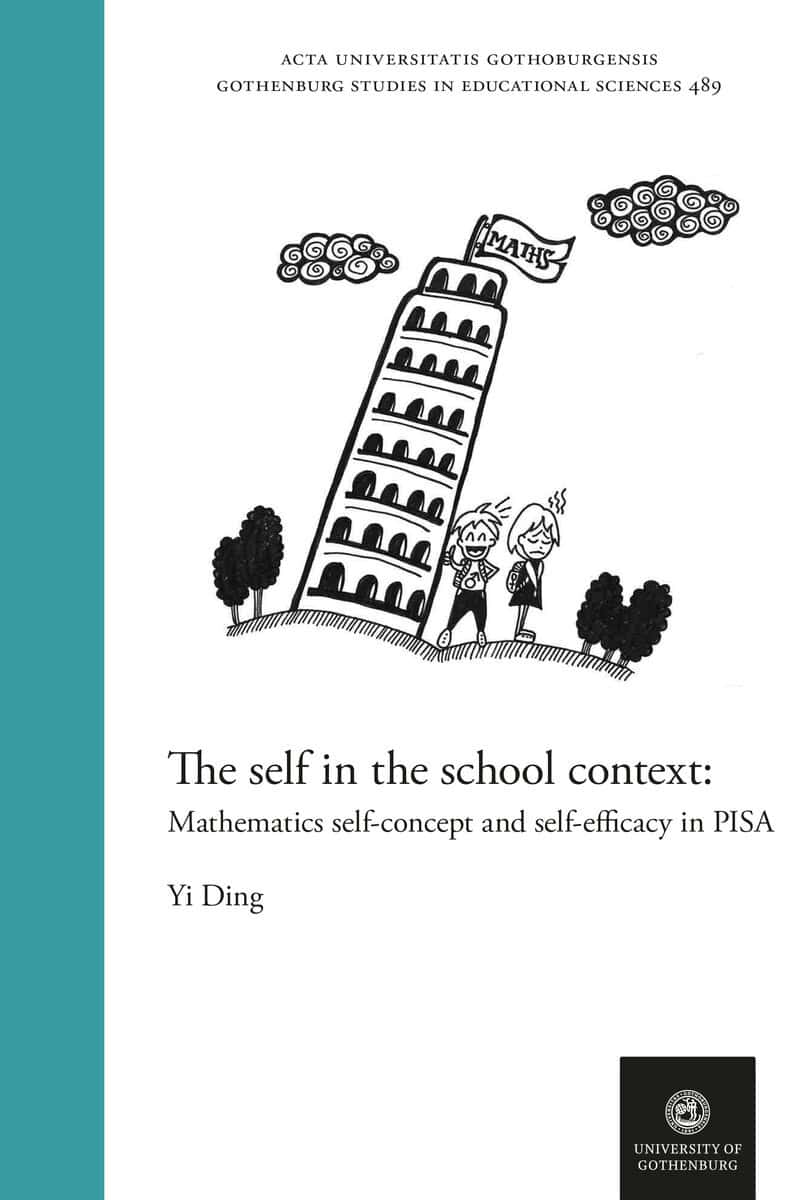
The self in the school context

mathematics self-concept and self-efficacy in PISA

Ding, Yi | THE SELF IN THE SCHOOL CONTEXT : mathematics self-concept and self-efficacy in PISA


BoklivArtikelnr: 9789179631819

Boken utforskar självkoncept och självtillit inom utbildningspsykologi och deras påverkan på matematikprestationer och lärande.

  • Utforskar matematikens självkänsla och självförmåga i skolkontext.

  • Analyserar PISA-data för att förstå utbildningsresultat och psykologiska faktorer.

  • Häftad, utgiven 2024.

Typ av bok:
Ny
Pris:
REA-pris260 kr

Beställningsvara. Skickas inom 3-21 vardagar.

Bindning: Häftat band

Bokförlag: Acta Universitatis Gothoburgensis
ISBN: 9789179631819
Bokserie: Gothenburg Studies in Educational Sciences

Omfång: 111 s.
Språk: Engelska
Utgivningsdatum: 2024-10-11

Förlagets information

Self-concept and self-efficacy are important constructs in educational psychology, defining an individual’s general perception of their abilities in school subjects and belief in accomplishing specific tasks. These constructs are crucial in understanding academic achievement, motivation, well-being, and overall educational experiences, particularly within the context of school and in different school subjects. International large-scale assessments (ILSAs) like the Programme for International Student Assessment (PISA), facilitate comparisons across various educational systems and cultural backgrounds. Utilising ILSA data aids in examining how self-concept and self-efficacy influence educational outcomes across different settings, while also allowing analysis of subgroups by socioeconomic status, gender, and immigration background. This helps guide teaching practice and shape educational policies by providing insights into the psychological factors driving educational success. This dissertation has two purposes: Firstly, it examines the factor structure and measurement invariance of mathematics self-concept and self-efficacy, ensuring valid comparisons across different demographic groups and over time. Secondly, it explores the relationship between these constructs and mathematics achievement, considering student and school characteristics like socioeconomic status and type of school. The analysis uses data from the 2003 and 2012 PISA cycles. The dissertation includes an integrative essay and three empirical studies. Study I assesses the factor structure and measurement invariance of the constructs across 40 education systems participating in the 2003 and 2012 PISA cycles. Study II examines potential paradoxical relationships between self-concept, efficacy, and achievement across multiple educational systems, establishing measurement invariance separately for each PISA cycle. Study III focuses on Sweden, analysing the correlation of sociodemographic factors on the relationship between self-concept/self-efficacy and achievement in mathematics, comparing public and independent schools. Overall, the findings emphasise the importance of validating the measurement properties of these constructs and caution against presuming their uniform application across diverse educational contexts. The studies highlight the significant role of self-concept and self efficacy in enhancing mathematical achievement, considering student and school dynamics.


The self in the school context av Yi Ding hittar du under Pedagogisk psykologi inom Utbildning | Pedagogik i huvudkategorin Politik | Samhälle.

Sök fler exemplar av denna titelSök fler böcker av Yi Ding

Recensioner

Laddar…

Logga in på mitt.bokliv.se för att lämna ditt omdöme!

Vanliga frågor om The self in the school context av Yi Ding

Boken behandlar betydelsen av självuppfattning och självkänsla inom utbildningspsykologi, särskilt i relation till matematik och akademiska prestationer.

Teman som utforskas inkluderar relationen mellan självkoncept, självkänsla och matematiska prestationer, samt hur dessa faktorer varierar över olika demografiska grupper.

Boken är häftad, omfattar 111 sidor, publiceras av Acta Universitatis Gothoburgensis den 11 oktober 2024 och är skriven på engelska.

Du gillar nog också ...

Senast besökt