Mattias Bolkéus Blom (1967-)


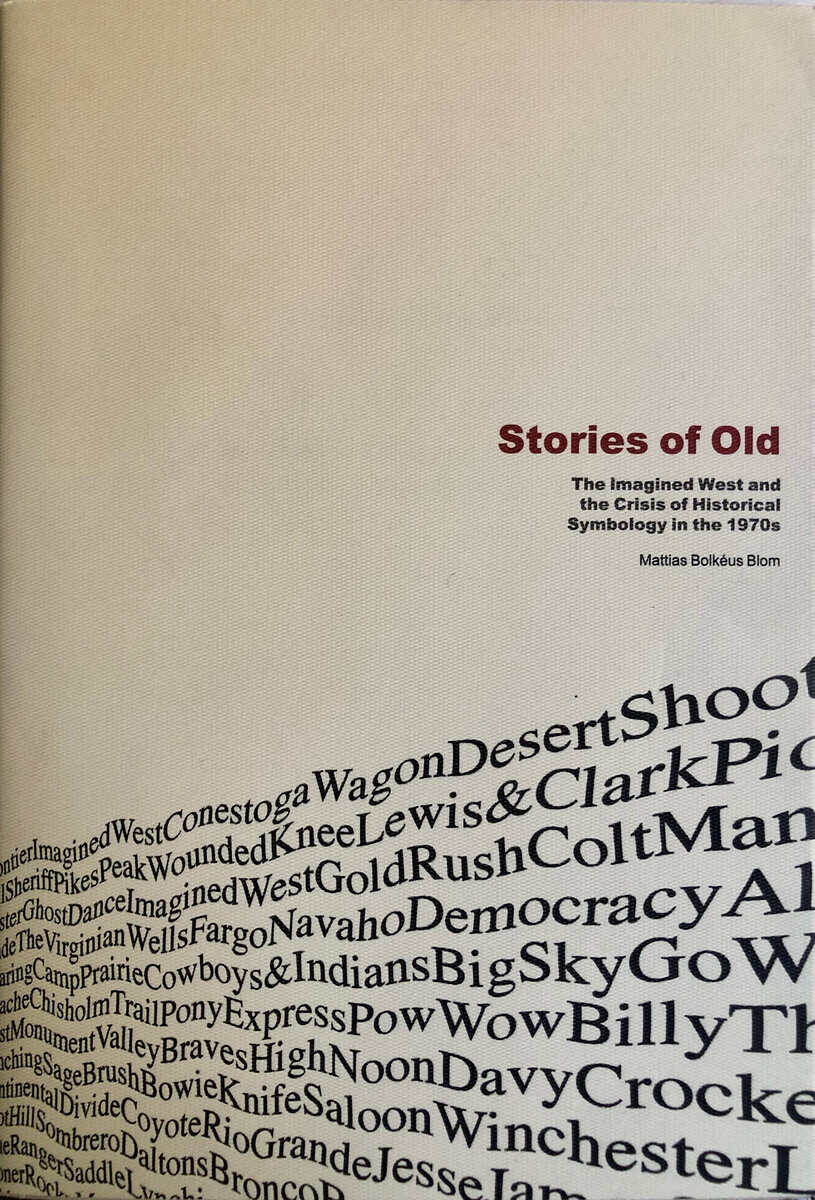
Stories of old

the imagined West and the crisis of historical symbology in the 1970s

Bolkéus Blom, Mattias | STORIES OF OLD : the imagined West and the crisis of historical symbology in the 1970s


BoklivArtikelnr: 9789155444365

Studien analyserar kulturella representationer av den amerikanska västern i litteratur från 1970-talet, med fokus på historiska och ideologiska aspekter.

  • Stories of old utforskar den föreställda västern i litteraturen.

  • Analys av 1970-talets kulturella och historiska representationer.

  • Häftad, utgiven 1999, inom ämnen som litteraturvetenskap och amerikansk kultur.

Typ av bok:
Ny
Pris:
REA-pris287 kr

Beställningsvara. Skickas inom 3-21 vardagar.

Bindning: Häftat band

Bokförlag: Acta Universitatis Upsaliensis
ISBN: 9789155444365
Bokserie: Studia Anglistica Upsaliensia

Omfång: 255 s.
Språk: Engelska
Utgivningsdatum: 1999-05-28

Förlagets information

For all the criticism that has been leveled against cultural representations of the American West, ideas of the westward expansion and its significance have remained powerful impulses for the negotiation of history and identity. Such notions of the past, and the cultural symbology with which they can be expressed, are more or less available to writers and other cultural agents for employment in political, cultural, or literary discourse. Understood in this way, the imagined West, to use Richard White's term, has continued to supply material that affirms or contests political and ideological change. The rejection of the conventionally imagined past in the 1970s provided writers with an opportunity to re-formulate historical representation and to make sense of history anew. Thus the imagined West reinforced its paradoxical status in American culture as a symbolic resource that signifies both historical inertia and constant change.

This study investigates representations of the West as they appear in the literary discourse of the 1970s. In readings of four non-genre texts, Don DeLillo's Americana (1971), Robert Coover's The Public Burning (1977), Joan Didion's The White Album (1979), and Tom Wolfe's The Right Stuff (1979), this study situates the cultural symbology of the West in a historico-political, cultural, and literary context. The study shows how these four writers utilize preconceptions about the meaning of the past, at the same time as they reshape that past to fit their own literary and ideological strategies. They do so by incorporating into the texts elements of historical representation and their ideological constituents, or ideologemes. Taken together, these texts are seen to illustrate the trajectory of the imagined West during a time of critical negotiation of American history.

For all the criticism that has been leveled against cultural representations of the American West, ideas of the westward expansion and its significance have remained powerful impulses for the negotiation of history and identity. Such notions of the past, and the cultural symbology with which they can be expressed, are more or less available to writers and other cultural agents for employment in political, cultural, or literary discourse. Understood in this way, the imagined West, to use Richard White's term, has continued to supply material that affirms or contests political and ideological change. The rejection of the conventionally imagined past in the 1970s provided writers with an opportunity to re-formulate historical representation and to make sense of history anew. Thus the imagined West reinforced its paradoxical status in American culture as a symbolic resource that signifies both historical inertia and constant change.

This study investigates representations of the West as they appear in the literary discourse of the 1970s. In readings of four non-genre texts, Don DeLillo's Americana (1971), Robert Coover's The Public Burning (1977), Joan Didion's The White Album (1979), and Tom Wolfe's The Right Stuff (1979), this study situates the cultural symbology of the West in a historico-political, cultural, and literary context. The study shows how these four writers utilize preconceptions about the meaning of the past, at the same time as they reshape that past to fit their own literary and ideological strategies. They do so by incorporating into the texts elements of historical representation and their ideological constituents, or ideologemes. Taken together, these texts are seen to illustrate the trajectory of the imagined West during a time of critical negotiation of American history.

Recensioner

Laddar…

Logga in på mitt.bokliv.se för att lämna ditt omdöme!

Vanliga frågor om Stories of old av Mattias Bolkéus Blom

Boken behandlar hur kulturella representationer av den amerikanska västern påverkar förståelsen av historia och identitet, med fokus på litterära verk från 1970-talet.

Boken analyserar fyra icke-genrebundna texter: Don DeLillos 'Americana', Robert Coovers 'The Public Burning', Joan Didions 'The White Album', och Tom Wolfes 'The Right Stuff'.

Boken är häftad, omfattar 255 sidor, och publicerades av Acta Universitatis Upsaliensis den 28 maj 1999.

Du gillar nog också ...

Senast besökt